1. The Natya Shastra and the Origins of Indian Performance Arts
The antiquity of Indian performance arts finds its most comprehensive codification in the Nāṭya Śāstra, an encyclopaedic Sanskrit treatise that serves as the foundational cornerstone for all Indian classical dance forms, known collectively as Shastriya Nritya. Attributed to the mythic sage Bharata Muni, this monumental work, likely finalized between 200 BCE and 200 CE, transcends the boundaries of a mere technical manual; it is a profound philosophical inquiry into aesthetics, dramaturgy, and the spiritual purpose of art.
The text asserts that the primary goal of performance is not simply to provide entertainment, but to transport the audience into a parallel reality of wonder, where they may experience the essence of their own consciousness through the Rasa theory. This intricate aesthetic framework posits that the artist's portrayal of emotional states (Bhava) should evoke a corresponding sentiment or "taste" (Rasa) in the spectator, who must be a Rasika, a sensitive and cultivated viewer capable of receiving this divine essence.
2. The Philosophical and Technical Trinity
Indian classical dance is a holistic discipline that integrates three fundamental elements: Nritta, Nritya, and Natya. Nritta constitutes the abstract, rhythmic aspect of the dance, emphasizing the purity of motion, form, speed, and geometric pattern without any interpretative narrative. Nritya is the expressive dimension, utilising hand gestures (Mudras), facial expressions (Abhinaya), and body language to communicate a storyline, typically drawn from Hindu mythology. The third element, Natya, represents the dramatic component, performed as a play or group performance where dancers portray specific characters within a narrative arc.
The physical grammar of these dances is further bifurcated into two primary modes: Tāṇḍava and Lāsyā. Tāṇḍava, traditionally associated with Lord Shiva, embodies the vigorous, high-energy, and masculine aspects of creation and destruction. Lāsyā, associated with Goddess Parvati, represents the delicate, graceful, and feminine qualities of the art form. Every classical form recognised today operates within this duality.
| Element | Core Focus | Philosophical Objective | Technical Requirement |
|---|---|---|---|
| Nritta | Pure Movement | Aesthetic Symmetry | Rhythmic footwork, speed, and patterns |
| Nritya | Expression | Emotional Engagement | Abhinaya, Mudras, poetic interpretation |
| Natya | Drama | Narrative Immersion | Character portrayal, storytelling |
3. The Historical Odyssey: From Temples to the Global Stage
For centuries, these arts flourished in the sacred precincts of South Indian temples and the royal courts of various dynasties. Dancers known as Devadasis in Tamil Nadu and Maharis in Odisha were dedicated to temples, performing as an act of ritual worship and spiritual offering. These performers were not merely entertainers but highly educated custodians of music, literature, and the complex grammar of dance.
The advent of British colonial rule, however, brought a dark era of suppression. Influenced by Victorian moral codes, colonial authorities and social reformers launched the "Anti-Nautch" movement, stigmatizing temple dancers as common courtesans and leading to the legal banning of the Devadasi system. By the early 20th century, many of these traditions teetered on the brink of extinction.
The revival was a pivotal chapter in India's nationalist movement. Cultural pioneers like E. Krishna Iyer, Rukmini Devi Arundale, and the poet Vallathol Narayana Menon fought to reclaim the dignity of Indian dance, successfully transitioning the arts from temple courtyards to the public proscenium stage, institutionalising training and codifying the repertoire for a modern, global audience.
4. Bharatanatyam: The Geometric Precision of Tamil Nadu
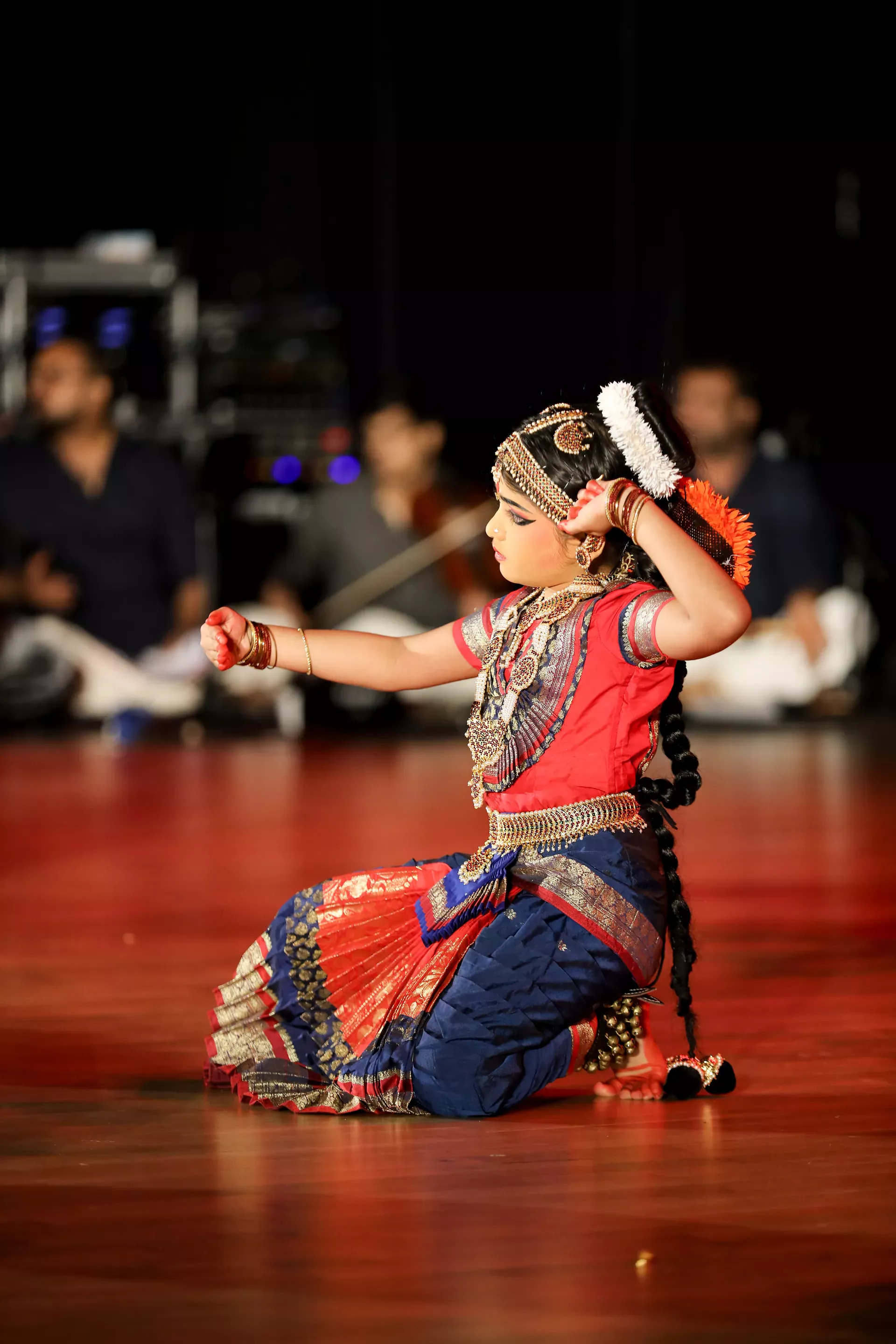
Bharatanatyam is widely regarded as one of the oldest and most popular classical dance forms in the world, originating from Tamil Nadu. The term itself is a mnemonic: Bha from Bhava (expression), Ra from Raga (melody), Ta from Tala (rhythm), and Natyam (dance). Traditionally performed as a solo dance by women, it is distinguished by its fixed upper torso, the diamond-shaped Aramandi stance, and intricate rhythmic footwork. It is philosophically associated with the element of Fire, symbolising the metaphysical transformation of the dancer into a divine vessel of expression.
The modern structure of a Bharatanatyam recital, known as the Margam (path), was formalised in the early 19th century by the Thanjavur Quartet, four brothers (Chinnayya, Ponnayya, Sivanandam, and Vadivelu) who were maestros in the Tanjore royal court.
The Standard Margam
- Alarippu, invocatory rhythmic piece, gradual awakening, blessings.
- Jatiswaram, pure Nritta, complex footwork set to musical notes (Swaras).
- Shabdam, first introduction of Abhinaya, in praise of a deity.
- Varnam, the centerpiece; mastery of both rhythm and expression.
- Padams & Javalis, emotive poems and lyrical love songs.
- Tillana, high-speed rhythmic finale with sculptural poses.
The Major Banis (Lineage Styles)
| Bani | Key Proponent | Distinguishing Character |
|---|---|---|
| Pandanallur | Meenakshi Sundaram Pillai | Linear geometry, deep squats, subtle expressions |
| Vazhuvoor | Vazhuvoor Ramiah Pillai | Graceful leaps, fluid transitions, slight forward tilt |
| Kalakshetra | Rukmini Devi Arundale | Extreme precision, clean lines, structured aesthetic |
| Melattur | Mangudi Dorairaja Iyer | Expressive Abhinaya-led; intricate rhythms; minimal stamping |
5. Kuchipudi: The Theatrical Brilliance of Andhra Pradesh
Kuchipudi originates from the village of the same name in the Krishna district of Andhra Pradesh. It is unique among Indian classical dances for its origins as a team-based dance-drama tradition, historically performed by Brahmin men known as Bhagavatars. It is a vibrant blend of the sacred and the secular, characterised by "quicksilver" movements, fleet-footedness, and the integration of spoken dialogue and singing by the performers. It is associated with the Earth element, grounded yet dynamic.
Kuchipudi's development is deeply tied to the 17th-century saint Siddhendra Yogi, who is credited with standardising the form and composing the seminal dance-drama Bhama Kalapam. A hallmark of Kuchipudi is the Tarangam, a visually striking technique where the dancer performs rhythmic sequences while balancing on the rim of a brass plate, sometimes also balancing a pot of water on the head.
| Repertoire Item | Description |
|---|---|
| Daravu | Short dance piece introducing a character. |
| Shabdam | Dialogue or verse advancing the story. |
| Tarangam | The iconic balancing dance on a brass plate. |
| Krishna Shabdam | A lyrical piece, a Gopi inviting Lord Krishna. |
6. Mohiniyattam: The Swaying Enchantment of Kerala
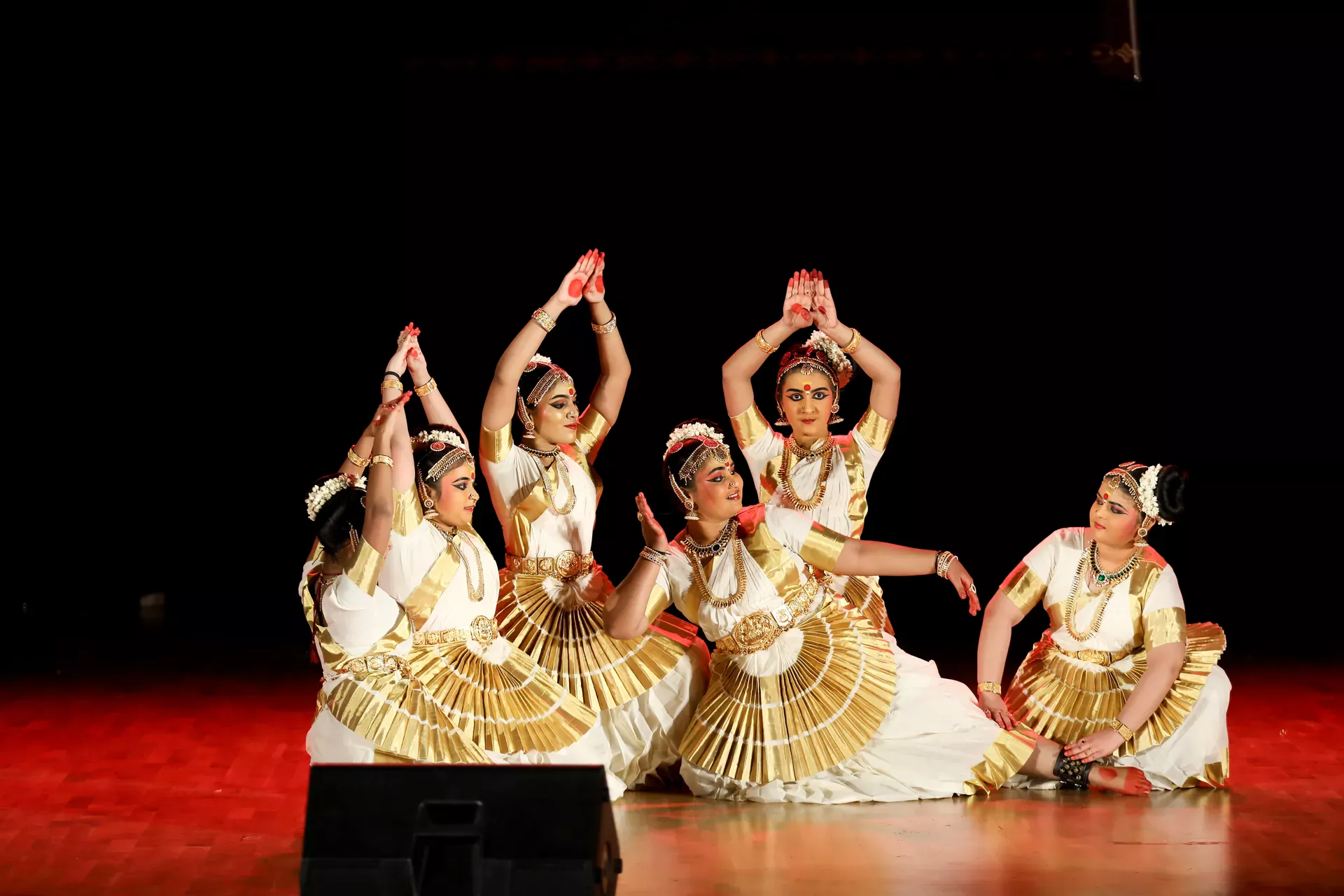
Mohiniyattam, the "Dance of the Enchantress", is a purely feminine classical form from Kerala. It derives its name from Mohini, the female avatar of Lord Vishnu, who appeared to seduce and distract the demons during the churning of the cosmic ocean. The quintessential Lasya form, characterised by soft, undulating, and circular movements that mirror the gentle swaying of palm fronds in the tropical breeze. It avoids the sharp angles and vigorous jumps of other forms, emphasising fluid grace and emotional depth. Element: Air.
Its 20th-century revival was led by the poet Vallathol Narayana Menon, who included it in the curriculum of the Kerala Kalamandalam, and the legendary Kalamandalam Kalyanikutty Amma, who codified its basic Adavus and formal structure.
The Mohiniyattam Margam
- Cholkettu, opening invocation; rhythm threaded with prayers to Goddess Bhagavati and Lord Shiva.
- Jatiswaram, pure rhythmic piece exploring musical notes.
- Varnam, Abhinaya-led centerpiece narrating spiritual themes.
- Padam & Slokam, deeply emotive lyrical compositions.
- Tillana, rhythmic interpretation of melody, technical virtuosity.
- Saptam, structured classical item unique to certain lineages.
7. Kathak · Kathakali · Odissi
Kathak: The Rhythmic Narrative of the North
Kathak originated in North India (Uttar Pradesh and Rajasthan). Its name derives from Katha (story), reflecting roots in the ancient community of Kathakars who travelled between villages and temples to narrate epics like the Ramayana and Mahabharata. Kathak uniquely synthesises Hindu devotional themes with Persian aesthetic influences acquired during the Mughal era, characterised by rhythmic foot-stamping (Tatkar), rapid-fire pirouettes (Chakkars), and naturalistic facial expressions. It is the only classical form that uses both Hindustani music and specific costumes like the Angrakha.
Kathakali: The Grand Drama of Kerala
Kathakali is one of the world's oldest theater traditions, hailing from Kerala. A grand spectacle known for its massive, colourful costumes, elaborate makeup, and intensive dramatisation. Traditionally performed by men, it relies on a complex language of 24 basic hand gestures and exhaustive eye and facial muscle movements. Characters are instantly recognisable by their makeup: Pacha (green) for noble kings and gods, Kathi (knife) for arrogant villains, Thaadi (beard) for various powerful entities.
Odissi: The Sculptural Grace of Odisha
Odissi, from the eastern state of Odisha, is often described as "mobile sculpture" due to its uncanny resemblance to dancing figures carved on the walls of ancient temples like Konark and Bhubaneswar. Its hallmark is the Tribhanga posture, a three-part bend of the body at the neck, torso, and knees creating a graceful S-shape. Element: Water.
8. Manipuri & Sattriya: The Devotional Heritage
Manipuri, from the northeastern state of Manipur, centers on the Ras Leela, the cosmic dance of Radha and Krishna. It is noted for its gentle, light-footed movements and the unique Kumil costume, a stiff, bell-shaped skirt decorated with mirrors.
Sattriya, from Assam, was introduced in the 15th century by the saint Srimanta Sankardev as a medium for propagating Vaishnavism. Originally performed by male monks (Bhokots) in monasteries known as Sattras, it became a recognised classical form in 2000 and is now performed by both men and women on the global stage.
9. The Luminaries: Pioneers Who Shaped the Tradition
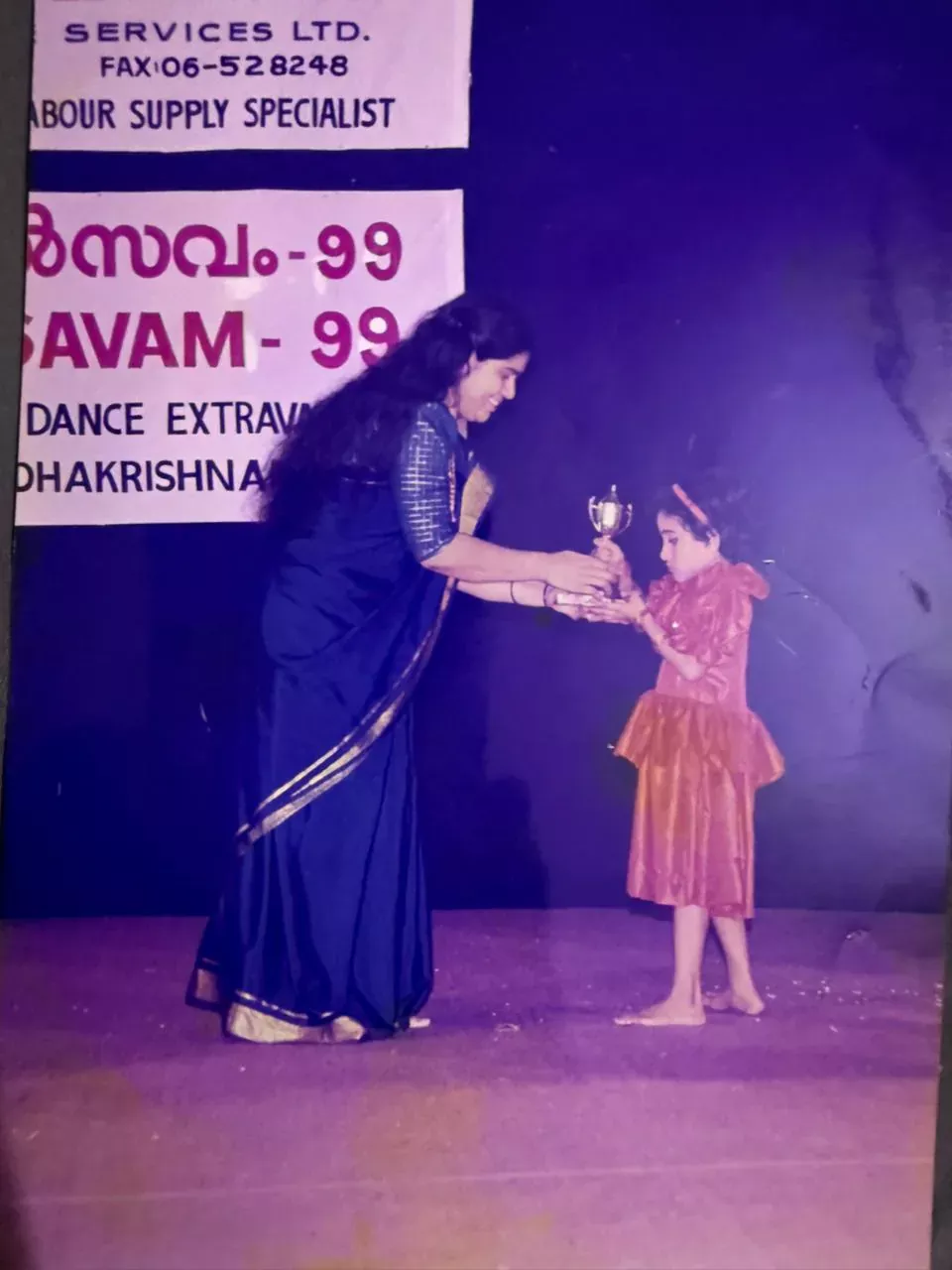
Rukmini Devi Arundale (1904-1986), The Visionary of Bharatanatyam
A central figure in the 20th-century renaissance of Bharatanatyam. A member of the Theosophical Society, she broke profound social taboos by becoming the first Brahmin woman to perform the dance in public in 1935. She founded Kalakshetra in 1936, refining the dance's presentation, emphasising spiritual and geometric precision, removing elements perceived as secular or vulgar. Her training in Western ballet under Anna Pavlova influenced her perspective on stage aesthetics and institutionalised pedagogy.
Vempati Chinna Satyam (1929-2012), The Master of Kuchipudi
Vempati Chinna Satyam revolutionised Kuchipudi by elevating it from regional dance-drama to a world-class classical form. He founded the Kuchipudi Art Academy in Madras in 1963 and choreographed over 250 solo items and 15 major dance-dramas, bringing structural discipline while preserving traditional folk-like energy.
Pandit Birju Maharaj (1938-2022), The King of Kathak
A descendant of the legendary Lucknow Kalka-Bindadin family, Birju Maharaj was the most prominent exponent of Kathak in the modern era. Dancer, composer, singer and teacher who brought Kathak to international audiences. His mastery over rhythmic footwork and his ability to convey complex social and mythological stories through subtle Abhinaya made him a global icon. He also significantly impacted Indian cinema through choreography for films like Devdas and Bajirao Mastani.
Kelucharan Mohapatra (1926-2004), The Architect of Odissi
After training as a Gotipua (young male dancer dressed as a woman), Kelucharan Mohapatra dedicated decades to researching ancient temple sculptures and Sanskrit texts to rebuild the Odissi grammar. He founded the school Srjan and trained generations of dancers, ensuring Odissi became one of the most widely performed classical forms today.
Other Influential Figures
- Kalamandalam Kalyanikutty Amma (Mohiniyattam), known as the "Mother of Mohiniyattam"; rescued the form and codified its 32 basic Adavus.
- Guru Bipin Singh (Manipuri), systematised Manipuri teaching; founded the Manipuri Nartanalaya.
- Padma Subrahmanyam (Bharatanatyam), researcher who reconstructed the 108 Karanas of the Natya Shastra; created Bharata Nrithyam.
- Srimanta Sankardev (Sattriya), 15th-century saint; created Sattriya as a medium for devotional worship in Assam.
10. The Pulse of the People: Folk Dances of India
While classical dances are codified and rooted in the Shastras, India's folk dances are the spontaneous expression of its diverse regional communities, celebrating cycles of nature, agricultural harvests, and social occasions.
- Bihu (Assam), vibrant, fast-paced; marks the Assamese New Year.
- Bhangra (Punjab), Vaisakhi harvest dance to the Dhol drum.
- Garba (Gujarat), circular Navratri dance, embroidered Ghagra-Cholis.
- Ghoomar (Rajasthan), graceful Bhil-origin court dance, swirling skirts.
- Lavani (Maharashtra), powerful Dholki-driven narrative dance.
- Chhau (West Bengal · Odisha · Jharkhand), tribal martial dance-drama with masks and acrobatics.
- Yakshagana (Karnataka), dance · music · dialogue · elaborate costume; mythological narrative.
11. Global Pedagogy and the Kairali Arts Centre Model
As Indian classical dance moved beyond the borders of the subcontinent, the need for structured, high-quality institutional training became essential to preserve the integrity of the arts within the diaspora. In the United Arab Emirates, the Kairali Arts Music Consultants Centre in Sharjah has emerged as a beacon of cultural excellence, offering a sophisticated pedagogical model that balances traditional Gurukul values with modern educational systems.
The Kairali Method: A Five-Stage Journey
Built on a legacy tracing back to Kalamandalam Sumathi and the Natyalaya School of Classical Dances, the "Kairali Method" follows a rigorous, five-stage progression model designed to develop students from raw beginners into confident, certified performers.
| Stage | Duration | Focus | Milestone |
|---|---|---|---|
| 1 · Foundation | 0-6 Months | Posture, basic technique, discipline | Grade D / C Certification |
| 2 · Development | 6-18 Months | Technical ability, basic performance | Grade C / B Certification |
| 3 · Performance | 1.5-3 Years | Stage presence, group coordination | Debut at Sargolsavam |
| 4 · Advanced | 3-5 Years | Complex compositions, lead roles | Grade A- Certification |
| 5 · Artist Level | 5+ Years | Mastery, solo repertoire, creativity | Kairali Certified Artist · Grade A |
This pedagogical framework is especially relevant for the international community, providing a standardized assessment system (Grades D through A) that measures progress not just by time spent, but by the mastery of the art form. After the foundational year, students are also encouraged to explore secondary subjects like Yoga or Acting through a "Creative Expansion Program," fostering a multi-talented creative mindset.
Institutional Impact and Community Engagement
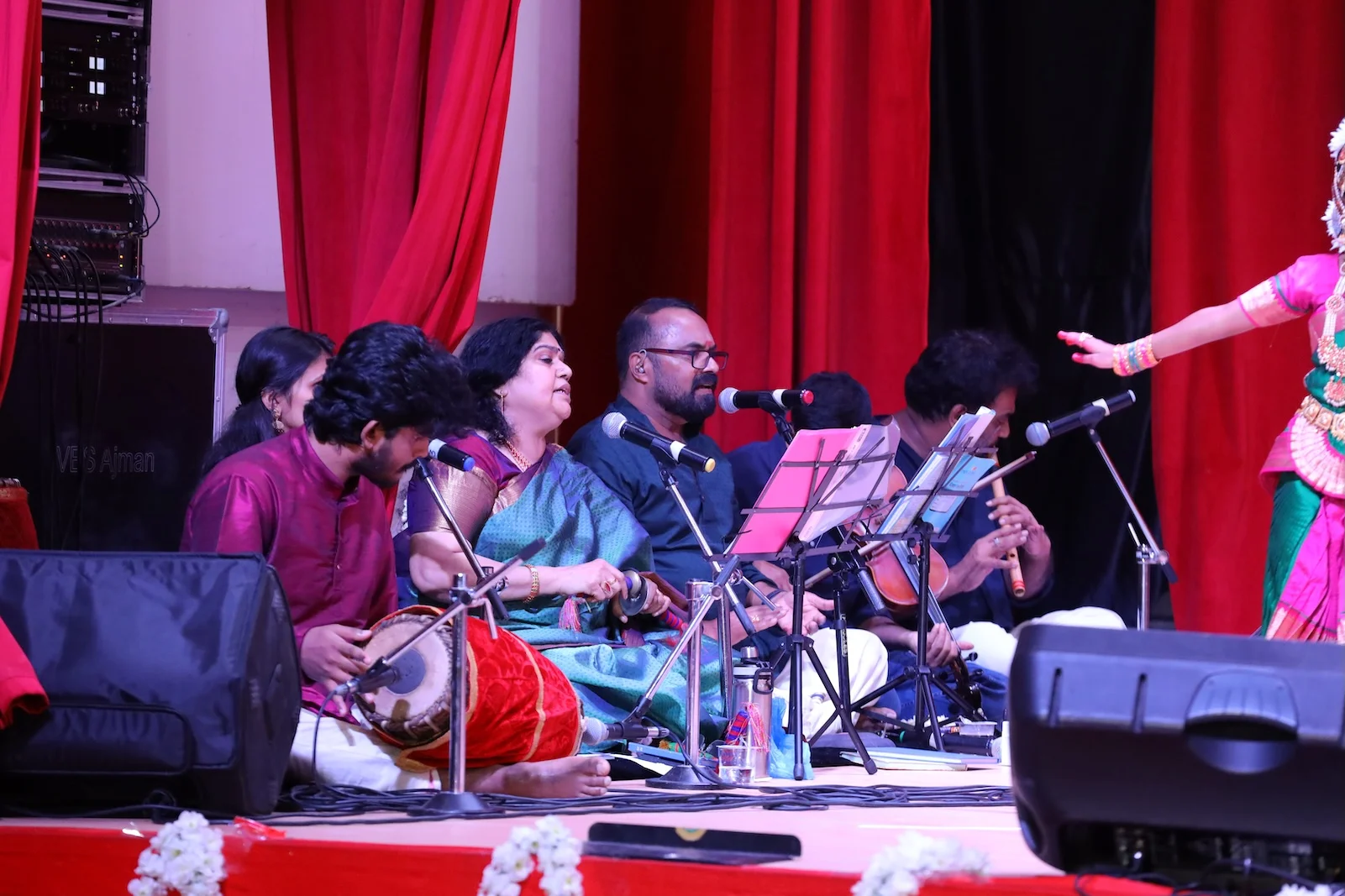
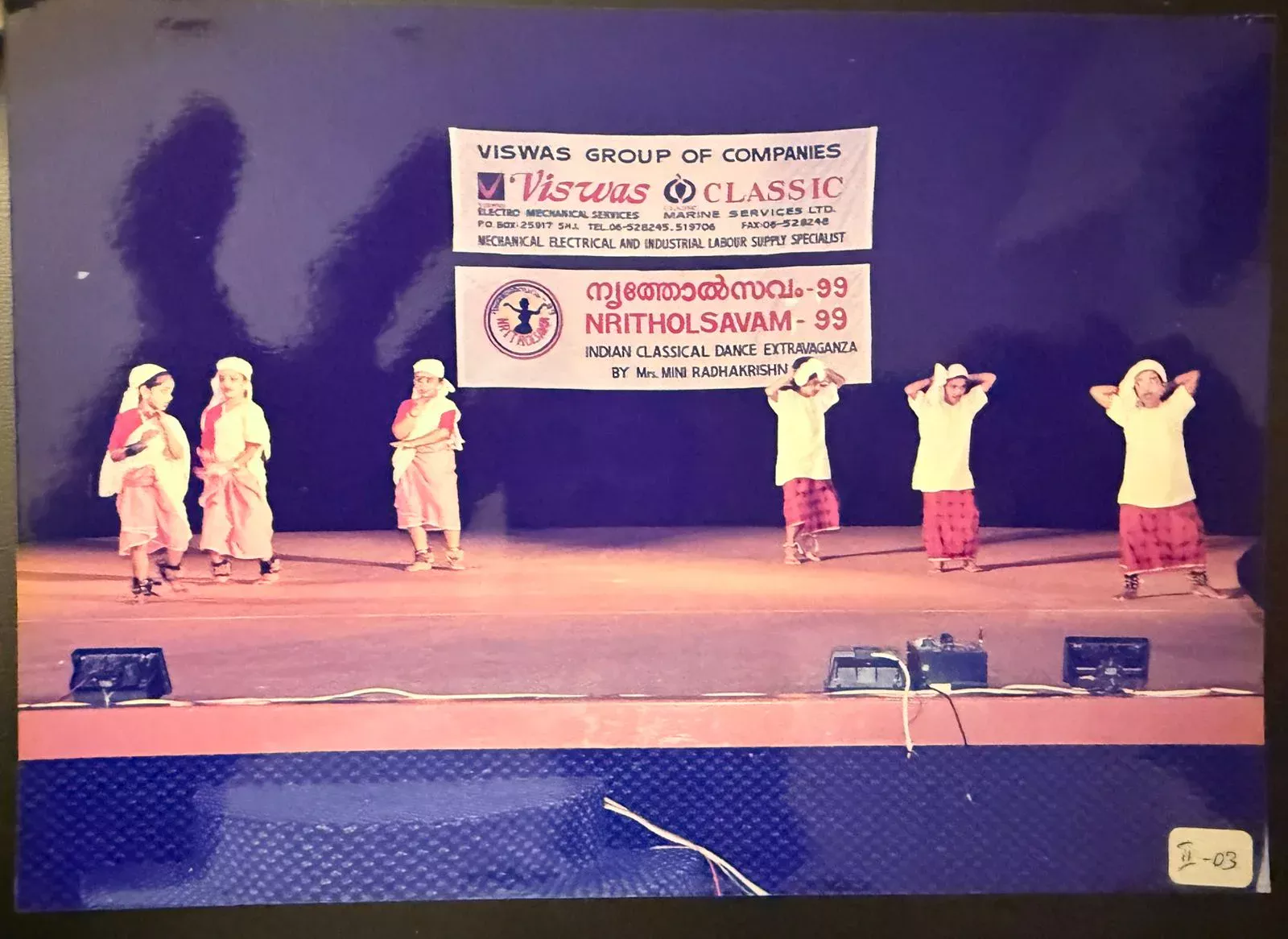
The center's annual showcase, Sargolsavam, is a landmark cultural event in the UAE, over 25 years of artistic dreams from performers ranging from toddlers to grandparents. By providing a professional stage for Indian classical dance, including Bharatanatyam, Mohiniyattam, and Kuchipudi, as well as music and visual arts, the centre serves as a vital hub for cultural diplomacy and heritage preservation in the Middle East.
For international residents in Sharjah, the centre offers the best Indian classical dance classes taught by expert faculty, including Guru Mini Radhakrishnan and Dhanya Radhakrishnan, a graduate of Kalakshetra. With the introduction of online global programs, Kairali has made its structured curriculum accessible to students worldwide, proving that traditional arts can thrive in a digital era.
12. Synthesis, and the Future of Classical Expression
The evolution of Indian classical dance from the sacred temples of the ancient world to the global stages of the 21st century is a testament to the enduring power of the Natya Shastra. While the core remains rooted in a 2,000-year-old philosophy of aesthetics and spirituality, presentation has constantly adapted to the sociopolitical context of each era. The transition from the Devadasi tradition to the modern proscenium stage was not merely a change in venue; it was a fundamental redefinition of the dance as a symbol of national identity and professional artistry.
As we look to the future, the challenge for Indian classical dance lies in balancing authenticity with innovation. Contemporary dancers are increasingly blending traditional techniques with modern themes, mixed-media presentations, and fusions with global genres like jazz or hip-hop to reach younger audiences. However, the foundational discipline provided by institutions like the Kairali Arts Centre remains essential, anchoring students in the rigorous grammar of the Shastras before they explore creative frontiers.
Indian classical dance is more than a series of movements. It is a universal language of expression that invites the viewer to look beyond the physical and experience the divine. Whether it is the fire of Bharatanatyam, the grace of Mohiniyattam, or the theatricality of Kuchipudi, these arts remain one of humanity's most profound cultural treasures, a living tradition that continues to move forward while honouring its timeless origins.
Begin your own journey
If you've read this far, the world of Indian classical dance is calling. Whether you are nine or ninety, whether you've never danced before or you've been performing for a decade: Kairali Arts Music Consultants Centre offers a structured path from the very first Aramandi to the stage of Sargolsavam.