Classical Dance · Sharjah UAE
Learn Bharatanatyam in Sharjah
with Expert Training
One of India's oldest and most revered classical dance forms, taught with authenticity, discipline, and modern stage awareness at Kairali Arts Centre, Sharjah.
What Is Bharatanatyam
The Mother of Indian Classical Dance
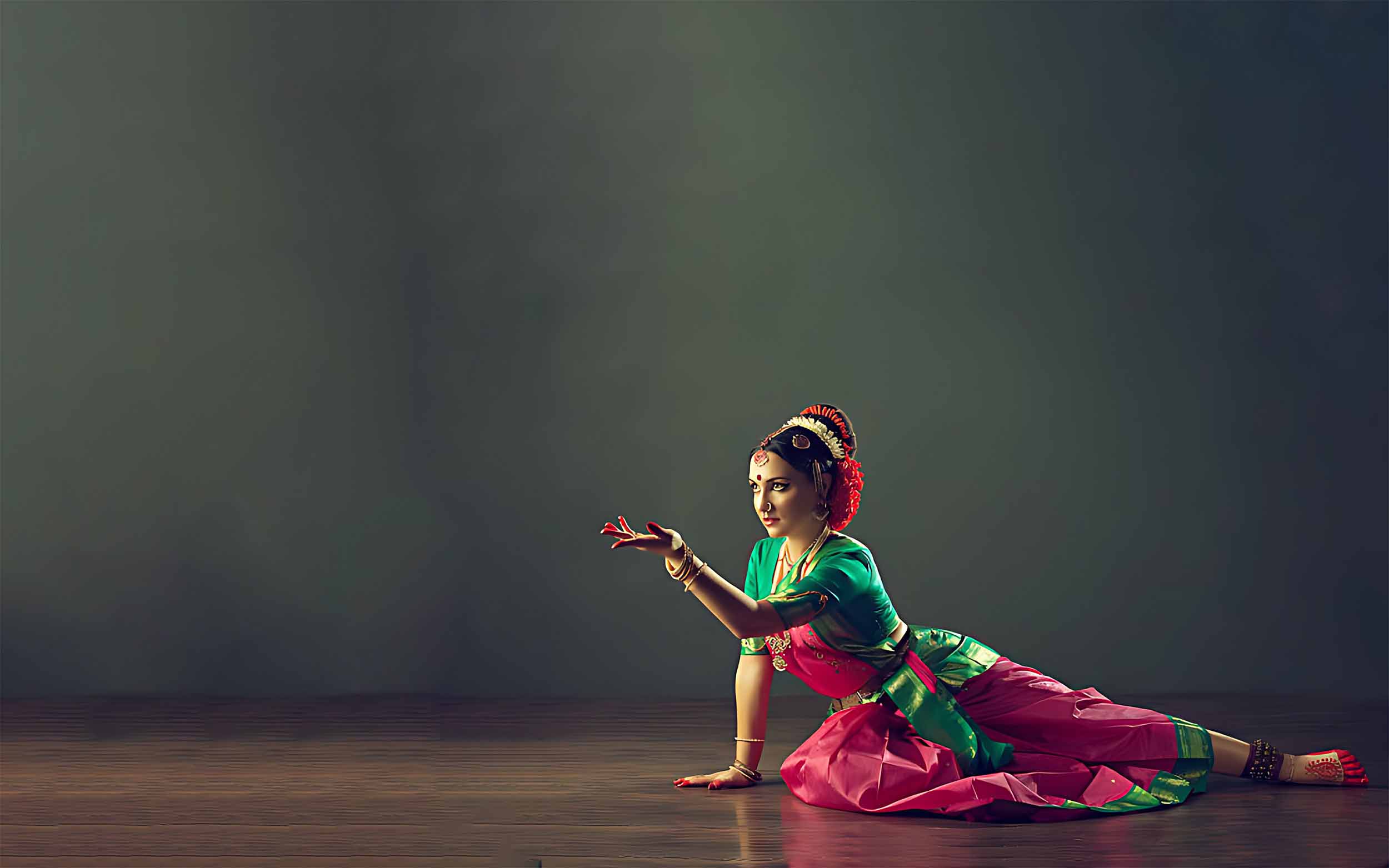
Bharatanatyam is one of the oldest surviving Indian classical dance forms, originating from the temples of Tamil Nadu. It is a precise synthesis of three elements: Bhava (emotion and expression), Raga (melody and music), and Tala (rhythm and timing).
Rooted in the Devadasi tradition of temple performance, Bharatanatyam was revived as a modern stage art in the 20th century, most notably through the efforts of Rukmini Devi Arundale and the Kalakshetra school. Today it is performed and taught across the world as a complete classical art form.
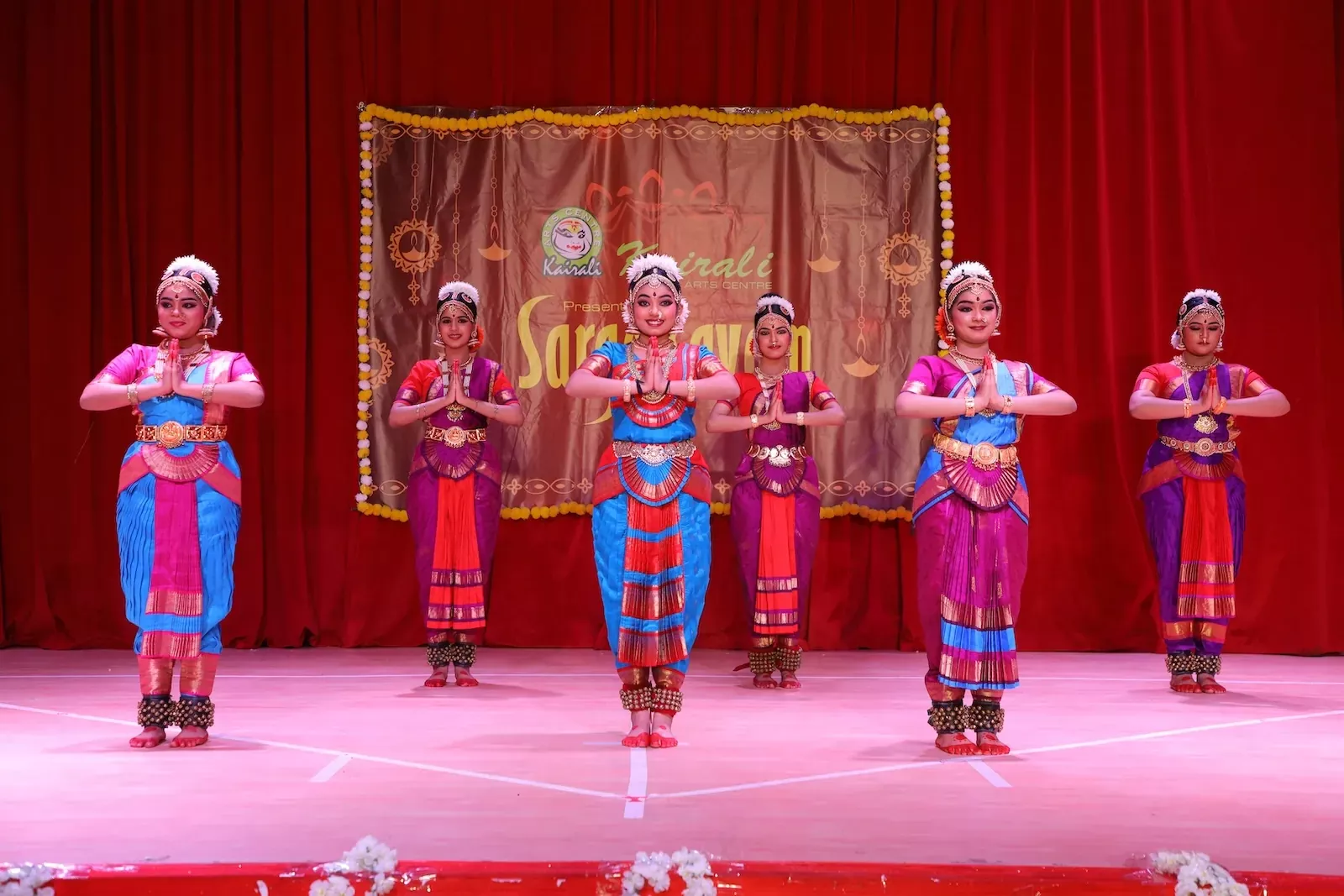
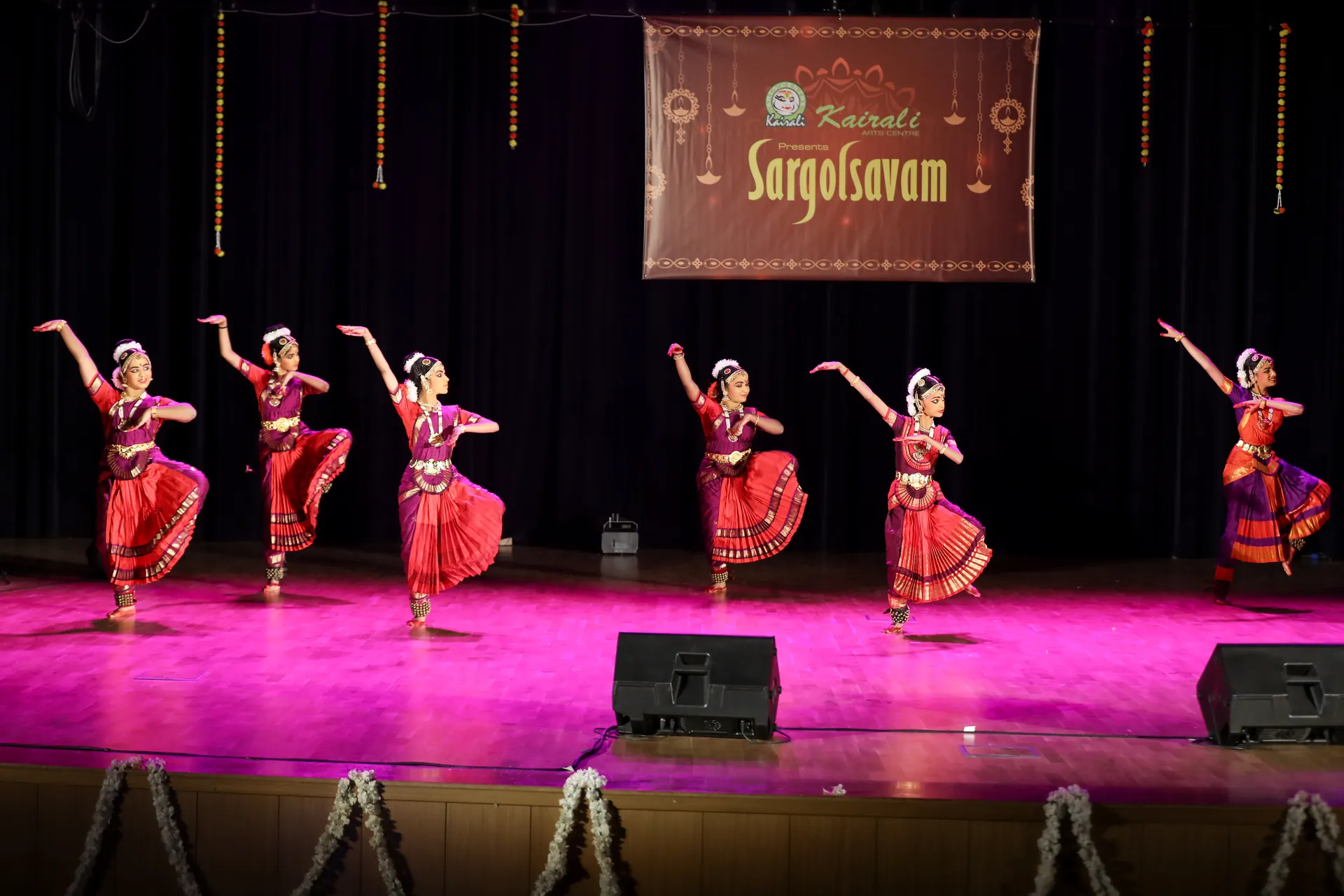
At Kairali Arts Centre, students are trained in both the technical precision of Bharatanatyam and its expressive depth, producing performers who can communicate, not just execute steps.
Repertoire
Structure of Bharatanatyam
A full Bharatanatyam recital is a structured journey from pure rhythm to pure emotion. Each item has a distinct character and function.
Alarippu
The invocatory piece. Pure nritta (abstract movement) that awakens the body and introduces the dancer to the stage. A salutation to the divine and the audience.
Jatiswaram
Pure rhythmic dance set to a musical scale (swara). No narrative, the focus is technical precision, adavus, and footwork patterns.
Shabdam
The first piece with meaning, combines nritta with simple abhinaya. Often devotional in nature, introducing the dancer's expressive capacity.
Varnam
The centrepiece of the recital. Long, complex, and demanding, combines intricate nritta with deep narrative abhinaya. The true test of a dancer's mastery.
Padam
A purely expressive item, no complex footwork. Entirely abhinaya-driven, conveying deep bhakti or romantic devotion through eyes and face.
Tillana
The finale. An energetic, rhythmically complex item with dynamic footwork, beautiful geometric formations, and a celebratory conclusion.
Training Method
How We Teach Bharatanatyam
Adavus First
All students begin with foundational adavu units. These are the syllables of the Bharatanatyam language; mastering them is non-negotiable.
Mudras: 64 Hand Gestures
Students learn Asamyuta and Samyuta Mudras systematically. Each mudra carries a precise meaning, enabling a dancer to literally speak through gesture.
Footwork Precision
The distinctive stamping footwork of Bharatanatyam requires both physical conditioning and rhythmic precision. Students build this through daily practice.
Abhinaya: The Art of Expression
Navarasas (nine emotions) are taught through dedicated abhinaya sessions. Students learn to convey love, courage, devotion, and sorrow purely through facial expression.
Kalakshetra & Traditional Styles
Students are introduced to both the structured Kalakshetra style and the more devotional traditional temple-rooted approach.
Benefits
Why Learn Bharatanatyam?
Discipline & Focus
Systematic training builds deep personal discipline that extends far beyond the dance class.
Posture & Grace
Correct body alignment and graceful movement become second nature after dedicated training.
Confidence
Regular stage exposure from early stages builds strong, natural self-confidence.
Memory & Coordination
Learning sequences, rhythms, and expressions simultaneously strengthens memory and multitasking.
Cultural Identity
Students develop a deep, living connection to India's classical heritage, a source of lifelong pride.
Competition Success
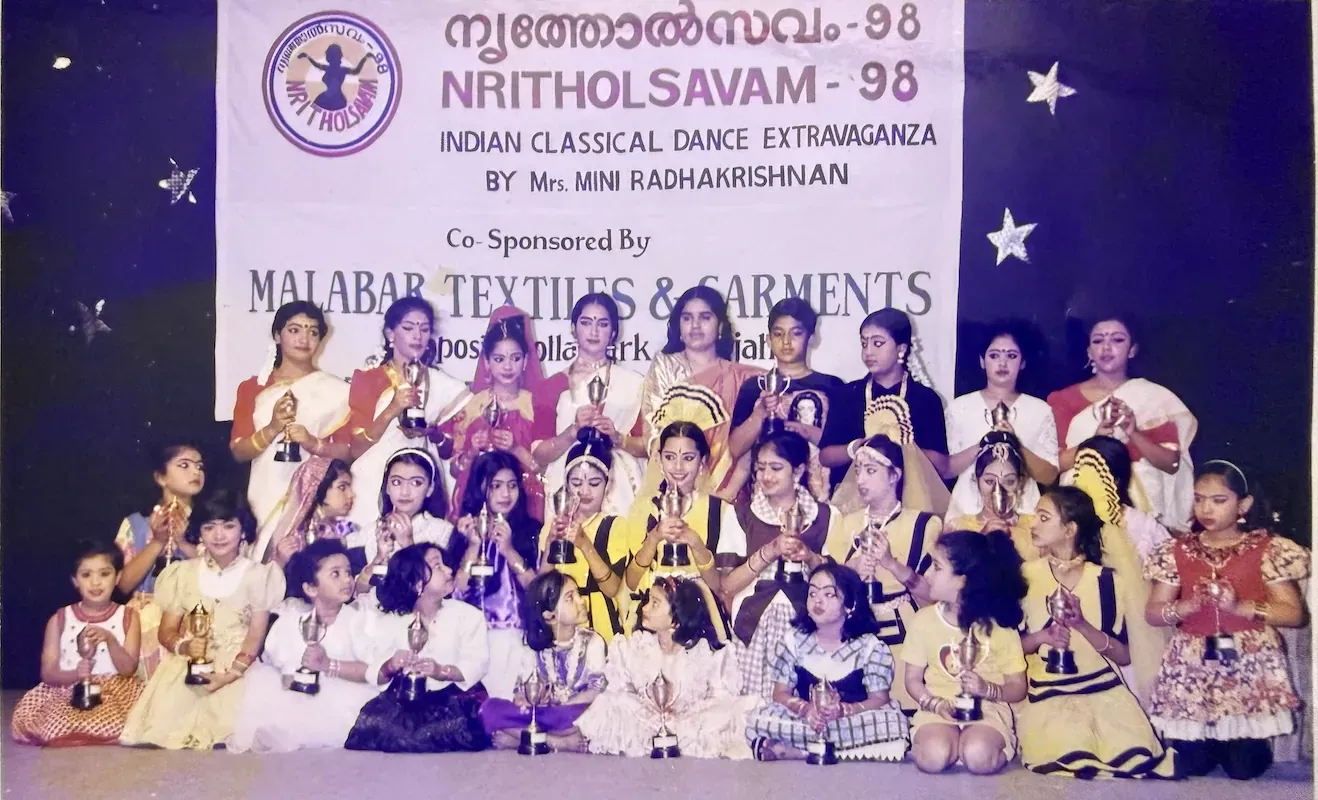
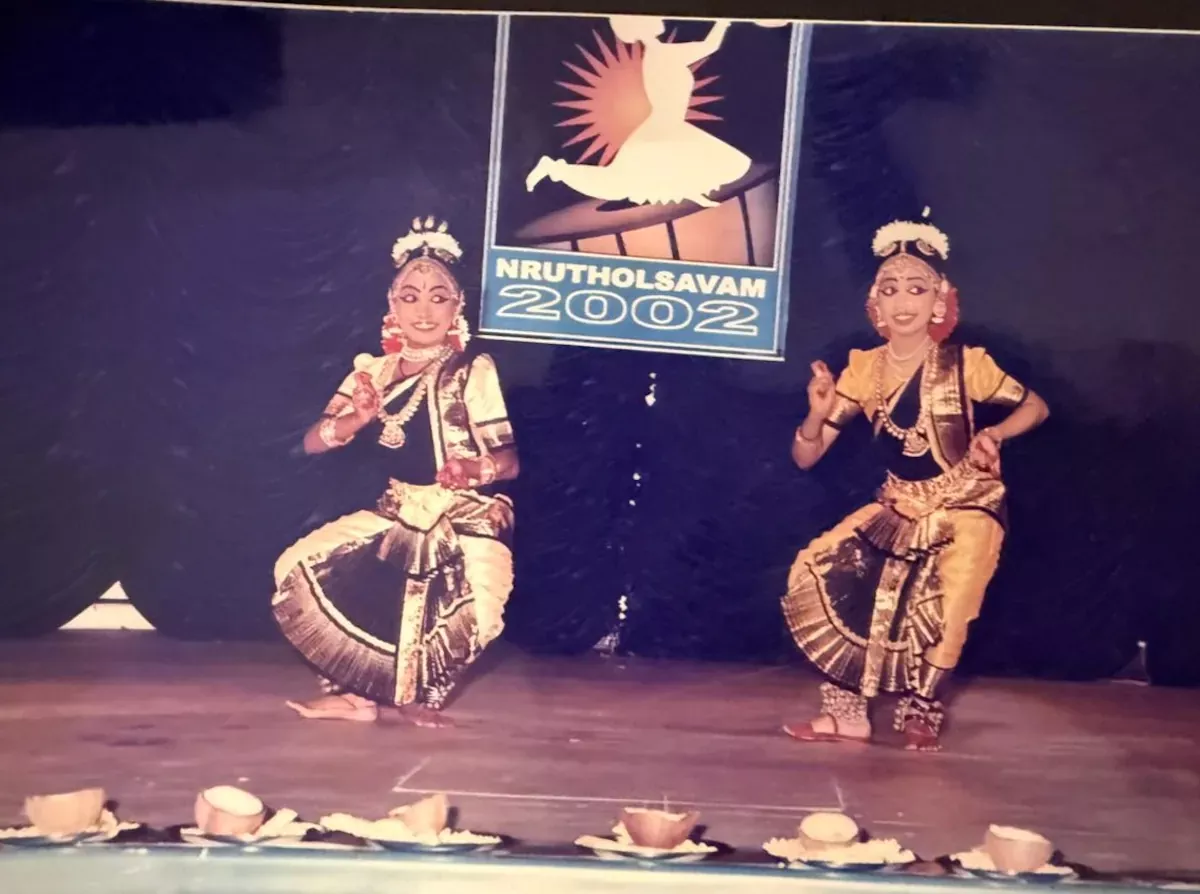
Kairali students have won Kalathilakam and Kalapratibha titles consistently from the early 2000s to today.
Who Can Join
Open to All: Children, Beginners & Adults
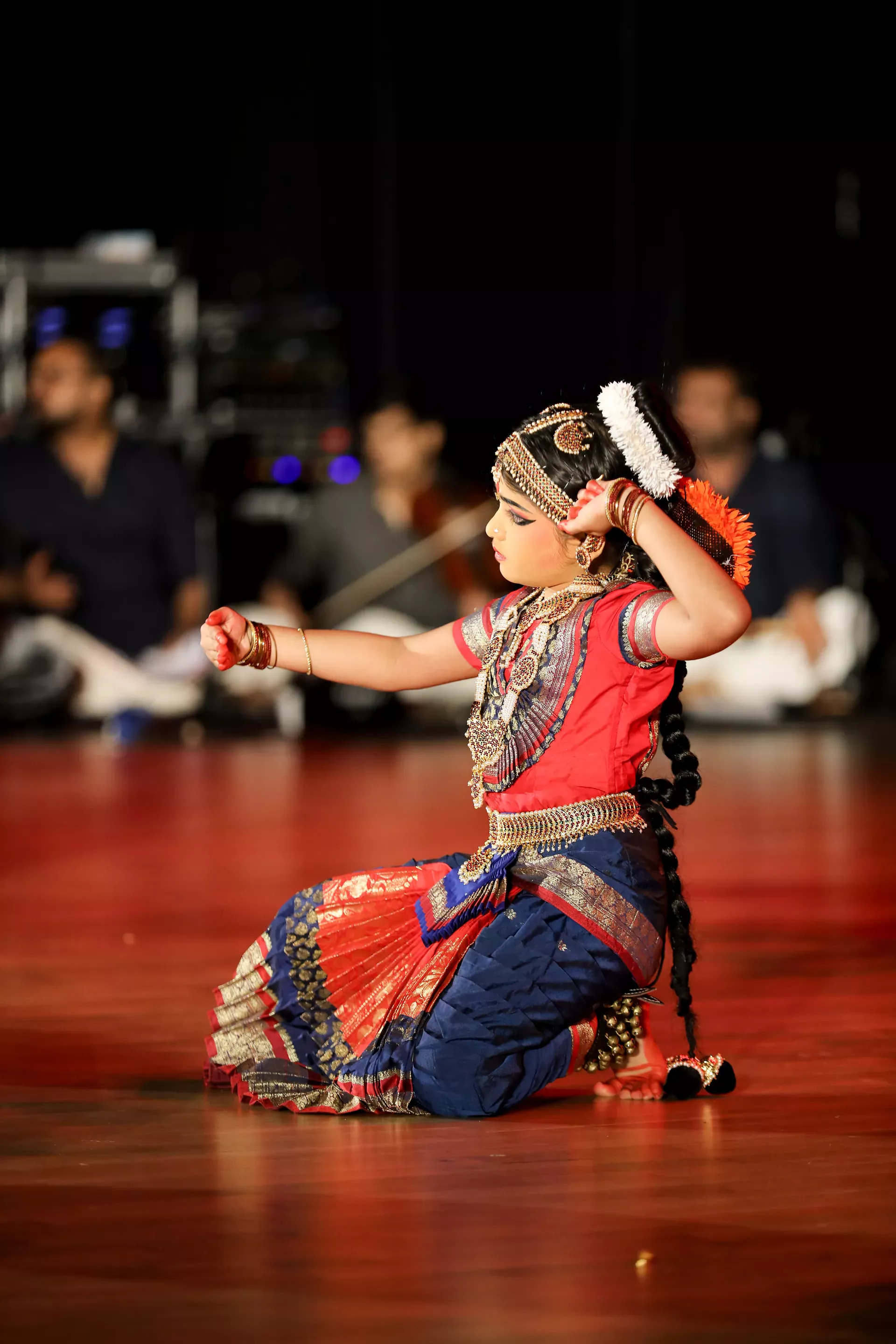
Children (Age 4+)
We introduce young children to dance through fun, structured routines that build rhythm, coordination, and love for the art.
Absolute Beginners
No experience needed. Every student starts from zero and progresses through our systematic Adavu-based curriculum.
Adults
Adult learners are warmly welcomed. Many adults join with no prior background and reach performance level within a year of consistent training.
FAQ
Bharatanatyam: Common Questions
What is an Arangetram?▼
An Arangetram is the formal debut solo recital of a Bharatanatyam student. It typically takes 5-8 years of dedicated training to reach this milestone. Our faculty provides full guidance and choreography for Arangetram preparation.
How many years does it take to learn Bharatanatyam?▼
Basic proficiency takes 2-3 years. Full classical training including performance capability typically takes 5-8 years. The journey is deeply rewarding at every stage.
Can boys learn Bharatanatyam?▼
Absolutely. Bharatanatyam has a strong tradition of male practitioners. Boys are equally welcome and trained with the same rigour and dedication.
What should a student wear to class?▼
Students typically wear a comfortable churidar or salwar during regular classes. Performance costumes are a separate discussion based on the student's level and event requirements.
Start Your Bharatanatyam Journey
Join Kairali Arts Centre in Sharjah, where classical training meets genuine stage performance.
Explore other dance forms at Kairali Arts: